
Imagine going to a wedding or a festival, feeling confident and stylish in your traditional attire. You want your outfit to show who you are and your cultural background. With so many choices, picking the right ethnic wear can be hard.
You’re not the only one who finds it tough to pick the perfect outfit. This guide will help you choose the best traditional clothing for you and the event.
Key Takeaways
- Understand the occasion and dress accordingly
- Know your body type and choose flattering styles
- Experiment with different colors and patterns
- Accessories can make or break an outfit
- Confidence is key to pulling off any look
The Cultural Significance of Ethnic Wear in Modern India
In modern India, ethnic wear is more than just clothes. It’s a way to celebrate our cultural heritage. It shows the rich diversity and tradition of our country.
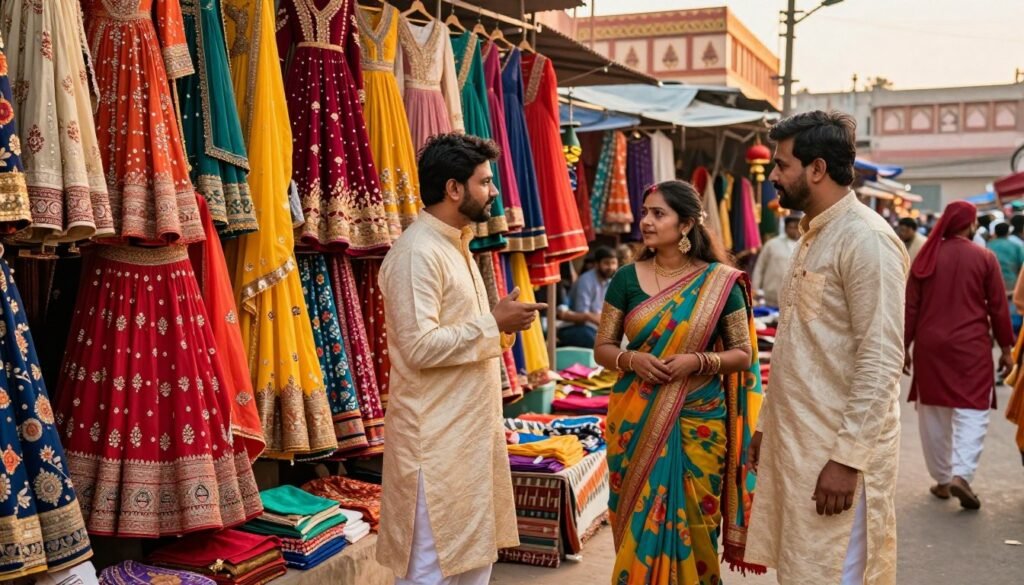
Regional Diversity in Traditional Clothing
India’s ethnic wear changes a lot from one region to another. It shows the country’s diverse culture. For example, Rajasthani lehengas have intricate embroidery, while Banarasi sarees are elegant and simple.
As Rani Lakshmibai once said, “I will not let my country’s culture fade away.” This quote shows her commitment to keeping our culture alive through ethnic wear.
The Evolution of Ethnic Fashion
Ethnic fashion in India has changed a lot over time. It now fits modern tastes while keeping its traditional feel. Designers mix new styles with old ones, making it cool for young people.
As fashion designer Ritu Kumar says, “The beauty of Indian ethnic wear lies in its ability to evolve while staying true to its roots.” This shows how Indian ethnic fashion is always changing yet stays true to itself.
When looking for an ethnic wear buying guide, think about the occasion, your body type, and your style. Getting ethnic fashion advice can also help you find the perfect piece.
How to Choose Ethnic Wear for Different Body Types
Choosing the right ethnic wear is all about knowing your body type. It helps you pick outfits that make you look great. There’s a wide range of styles for different shapes, like pear-shaped or hourglass figures.
Flattering Silhouettes for Pear-Shaped Bodies
If you’re pear-shaped, you want to hide the hips and thighs. Look for ethnic wear with cool designs on the top.
Recommended Saree Draping Styles
For pear-shaped bodies, try sarees with bold prints or embroidery on the blouse. Choose draping styles like Nauvari or Gujarati for a balanced look.
Ideal Salwar Kameez Cuts
For salwar kameez, go for A-line or flared designs. These skim over the hips and thighs. Pair them with embellished or printed kurtas to lift your look.
| Body Type | Recommended Ethnic Wear | Key Features to Look For |
|---|---|---|
| Pear-Shaped | Sarees, A-line Salwar Kameez | Upper body embellishments, A-line cuts |
| Apple-Shaped | Empire-line Salwar Kameez, Flowing Sarees | Empire-line cuts, dark colors around the midsection |
| Hourglass | Fitted Kurtas, Sarees with fitted blouses | Fitted silhouettes, accentuating the waist |
| Athletic | Salwar Kameez with flared pants, Sarees with patterned borders | Flared pants, patterned borders, adding curves |
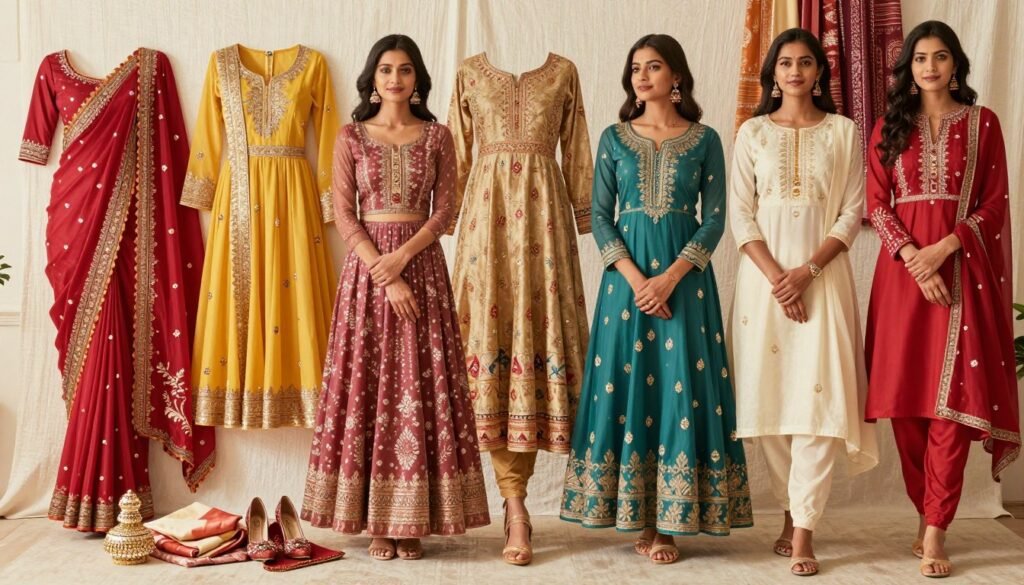
Complementary Designs for Apple-Shaped Figures
Apple-shaped bodies look great in empire-line salwar kameez or flowing sarees. These styles create a longer, balanced line.
Enhancing Hourglass Silhouettes
Hourglass figures look stunning in fitted kurtas or sarees with fitted blouses. These highlight your waist and curves.
Styling Tips for Athletic Body Types
Athletic bodies can add curves with the right ethnic wear. Try salwar kameez with flared pants or sarees with patterned borders. They add interest and femininity.
Decoding Dress Codes for Various Indian Celebrations
India celebrates many festivals and occasions all year. It’s important to dress right to show respect for culture. Knowing the dress code helps you fit in and enjoy the celebration more.
Understanding Formal vs. Semi-Formal vs. Casual Ethnic Wear
Indian celebrations have their own dress code rules. Formal ethnic wear means fancy fabrics, detailed designs, and traditional clothes like sarees or sherwanis. Semi-formal wear is simpler, mixing old and new styles. Casual ethnic wear is comfy, with easy designs.
Color Symbolism and Meaning in Traditional Celebrations
Colors mean a lot in Indian celebrations. Red stands for marriage and wealth. Green means fertility and joy.
Appropriate Fabric Choices Based on Event Formality
Fabric choice affects your outfit’s formality. Silk and velvet are for fancy events. Cotton and linen are better for casual times.
Knowing these details helps you pick the right outfit for any Indian celebration. You’ll be both respectful and stylish.
Wedding Guest Attire: Navigating the Celebration Circuit
When you’re getting ready for a wedding, picking the right outfit is key. Indian weddings are full of color and tradition. They let you show your style while respecting the old ways.
Day Wedding vs. Evening Reception Outfit Selection
Deciding between a day or evening outfit depends on a few things. Look at the venue, the invitation’s dress code, and the time. For a day wedding, choose light colors and comfy fabrics.
But for an evening reception, go for something more fancy. Pick richer colors and soft, luxurious fabrics.
Appropriate Ethnic Wear Based on Your Relationship to the Couple
Your bond with the couple affects your outfit choice. Here’s what to think about:
- Close Family Member: Dress up nicely but don’t steal the show from the bride.
- Friend or Distant Relative: Be stylish but also show respect for the event.
Close Family Member Attire
For family, traditional clothes like sarees or sherwanis in soft colors are good. Think about the wedding’s theme and what the couple likes.
Friend or Distant Relative Options
As a friend or distant relative, you can try different styles and colors. But remember, don’t take the spotlight from the bride.
Balancing Elegance Without Overshadowing the Bride
To dress well without taking over, pick an outfit that fits the wedding’s look. Ethnic wear shopping tips suggest choosing outfits with detailed designs or bold colors. But still, show respect for the bride’s main role.
By keeping these tips in mind, you can pick an outfit that makes you look great. And it will honor the special day too.
Festival Fashion: Celebrating in Style and Comfort
Choosing the right ethnic wear for Indian festivals is key. Think about each festival’s unique vibe and pick your outfits wisely.
Diwali: Embracing Light and Color
Diwali is all about bright colors and shiny clothes. Look for outfits with lots of embroidery or sparkly bits. Traditional Diwali clothes often use silk or velvet and have gold or silver threads.
Holi: Practical yet Festive Choices
Holi is all about fun and colors. Wear clothes that are comfy and can handle the mess. Go for light, easy-to-move-in fabrics and bright colors or white to show off the festive mood.
Navratri: Outfits for Nine Nights of Celebration
Navratri is all about dancing and fun. Wear clothes that are comfy and let you move freely. Chaniya cholis or kurtas are great. Choose bright colors and lots of patterns to match the Navratri vibe.
Durga Puja: Regional Specialties and Traditions
Durga Puja is big in Eastern India. It’s all about traditional clothes like sarees or dhoti kurtas. These clothes show respect and elegance, fitting the festival’s deep meaning.
Office-Appropriate Ethnic Wear for the Modern Professional
Ethnic wear is becoming more popular in offices. It’s key to know how to wear it right. You can look stylish and professional by picking the right clothes and accessories.
Fusion Wear for Corporate Settings
Fusion wear mixes traditional and modern styles. It’s great for the office. Look for outfits that mix classic shapes with new fabrics or designs.
Balancing Tradition and Professionalism
To look good and professional, choose clean lines and modest cuts. Use high-quality fabrics. You can add traditional patterns or embroidery without losing professionalism.
Appropriate Necklines and Hemlines
For a professional look, pick modest necklines and hemlines. A-line dresses and kurtas with a bit of sparkle are good choices. Stay away from clothes that are too tight or revealing.
Fabric Selection for Comfort and Formality
Pick fabrics that are comfy yet formal. Cotton, silk, and linen are good for office wear. Avoid casual fabrics like denim or very bright colors unless your office allows it.
Accessorizing for the Workplace
Accessories can make your ethnic wear stand out. Choose simple jewelry like bangles or a classic watch. A nice handbag or a simple clutch can add to your outfit without being too flashy.
Here are some tips for choosing traditional clothes for the office:
- Think about your office’s dress code and culture.
- Invest in quality, timeless pieces.
- Don’t be afraid to try fusion wear.
- Focus on the fabric and how comfortable it is.
- Accessories can really make an outfit.
How to Choose Ethnic Wear Based on Seasonal Considerations
Seasonal considerations are key when picking the right ethnic wear. Wearing clothes that match the season keeps you comfortable. It also makes your outfit look better.
Summer-Friendly Fabrics and Styles
In summer, choose lightweight fabrics like cotton and linen. These keep you cool by letting air pass through.
Cotton and Linen Options
Cotton and linen are great for summer. Look for cotton kurtas and linen sarees. They’re comfy and stylish.
Breathable Silhouettes
Go for ethnic wear that breathes, like anarkalis or kurta pyjamas. These keep you cool and look great.
Monsoon-Appropriate Ethnic Wear
In monsoon, pick ethnic wear that’s both stylish and practical. Choose fabrics that resist water or dry fast.
Winter Ethnic Fashion: Layering and Warmth
Winter is for layering your ethnic wear. Wear woolen shawls and layered kurtas. They keep you warm and stylish.
The Art of Mixing and Matching Ethnic Separates
Mixing and matching ethnic separates is key to a stylish wardrobe. It lets you create many outfits from just a few pieces. This makes your wardrobe more fun and versatile.
Creating Versatile Wardrobes with Key Pieces
Start by getting a few timeless ethnic separates. Look for items like kurtas, lehengas, and shararas. Choose high-quality fabrics and classic designs that stay in style.
Pairing Traditional Tops with Contemporary Bottoms
Updating your ethnic wardrobe is easy. Just pair traditional tops with modern bottoms. For example, try a classic kurta with trendy palazzo pants or a skirt. This mix is perfect for any event.
Color Coordination Principles for Indian Wear
When mixing separates, color is key. Use 2-3 colors that go well together for outfits that look good. For instance, a bright kurta with neutral leggings or a contrasting dupatta adds color.
Following these tips helps you find the right outfit for any event. You’ll make a bold statement with your ethnic wear.
Accessorizing Your Ethnic Ensemble
Choosing the right accessories for ethnic wear is key. They should enhance your look without being too much. The right accessories can take your outfit to the next level.
Jewelry Selection for Different Necklines and Styles
Think about your outfit’s neckline and style when picking jewelry. A deep V-neck kurta looks great with a long, pendant necklace. A high-neck anarkali suit pairs well with statement earrings.
For a traditional vibe, go for Kundan or Polki jewelry. It matches most ethnic wear. For a modern twist, mix styles. Try a traditional Neckpiece with stud earrings.
Footwear Pairing Guide
The right shoes can really make your ethnic outfit pop. Traditional picks like Juttis, Mojaris, and Kolhapuris are great choices.
Traditional Options: Juttis, Mojaris, and Kolhapuris
Juttis and Mojaris work with many outfits, like kurta pyjamas and lehenga cholis. Kolhapuris are best for a rustic or traditional look.
Contemporary Choices for Fusion Looks
For a modern look, try fusion sandals or ankle boots. They add a cool twist to your outfit. They’re great with kurti and leggings or palazzo pants.
| Footwear Type | Best Paired With | Style Tip |
|---|---|---|
| Juttis | Kurta Pyjamas, Salwar Kameez | Embellished Juttis add a touch of elegance |
| Mojaris | Lehenga Choli, Anarkali Suit | Pair with intricate designs for a royal look |
| Kolhapuris | Kurti, Ethnic Skirts | Perfect for a casual, traditional look |
Handbags and Clutches That Complement Traditional Wear
Choose a handbag or clutch that matches your outfit’s color and style. Potlis and embroidered clutches add elegance.
For a modern look, go for cross-body bags or mini clutches in metallic or embellished designs. They’re great with fusion wear or modern ethnic styles.
Budget-Friendly Tips for Building an Ethnic Wardrobe
You don’t have to spend a lot to look great in ethnic wear. Here are some tips to help. Building your ethnic wardrobe is about finding timeless and trendy pieces.
Investment Pieces vs. Trend-Based Purchases
It’s key to know the difference between investment and trend pieces. Investment pieces are quality items that last, like a classic lehenga or a tailored kurta. Trend-based purchases are cheaper and follow the latest trends but might not last as long.
Thrift Shopping and Rental Options for Occasional Wear
Thrift shopping and renting are great for saving money on ethnic wear. You can find unique items at thrift stores or online. Renting for special events is also a good idea. It saves money and helps the environment.
- Look for hidden gems at local thrift stores and online.
- Rent ethnic wear for weddings and other big events.
Upcycling and Repurposing Traditional Garments
Upcycling and repurposing can give old ethnic clothes a new life. You can turn an old sari into a lehenga or a kurta into a cool jacket.
Multi-Purpose Pieces That Transition Between Occasions
Buying pieces that can be worn in different ways is smart. For example, a salwar kameez can be dressed up or down. A dupatta can be styled in many ways.
- Choose items that can be styled for different events.
- Accessories like jewelry and shoes can change an outfit’s look.
Current Trends in Ethnic Fashion
Innovation and tradition are mixing in ethnic fashion. This mix is changing how we wear ethnic clothes. It’s all about new takes on old styles and designers’ fresh ideas.
Contemporary Interpretations of Classic Styles
Classic ethnic styles are getting a modern makeover. Designers are adding new twists to old favorites. For example, Anarkali suits with modern embellishments are all the rage for their beauty and comfort.
Designer Influences on Everyday Ethnic Wear
Designers are big in shaping ethnic fashion. They’re bringing in new fabrics, colors, and designs. This makes ethnic wear perfect for everyday looks. Fusion wear, blending old and new, is very popular.
Sustainable and Ethical Ethnic Fashion
There’s a big push for sustainable and ethical fashion in ethnic wear. People want to know how their clothes affect the planet and society.
Handloom Revival Movement
The handloom revival is growing. It’s all about keeping traditional weaving alive and supporting local craftspeople.
Eco-Friendly Fabric Innovations
New eco-friendly fabrics are making ethnic wear more sustainable. Options like organic cotton and recycled materials are becoming more common.
Celebrity-Inspired Ethnic Fashion Trends
Celebrities are big in setting ethnic fashion trends. They show us how to wear ethnic clothes in stylish ways. From red-carpet looks to casual outfits, they inspire us all.
By following these trends, you can update your ethnic wardrobe. You’ll stay fashionable while honoring tradition.
Conclusion: Expressing Your Personal Style Through Ethnic Wear
You now have a guide to ethnic wear for all occasions. Explore popular ethnic wear styles and keep up with ethnic wear trends. Fashion is about showing your unique self.
Your outfit should show who you are, no matter the event. Mix ethnic pieces, add thoughtful accessories, and pick clothes that fit you well. This way, you’ll look great and true to yourself.
It’s not just about following trends. It’s about feeling good in what you wear. Build your ethnic wardrobe with pieces that mean something to you and your style.
This way, you’ll make a fashion statement and celebrate your roots. So, try out different styles and let ethnic wear show who you are.
